


Wieland Metals Birmingham
Wharf Street, Aston
Birmingham, B6 5SA
United Kingdom
(UTC)
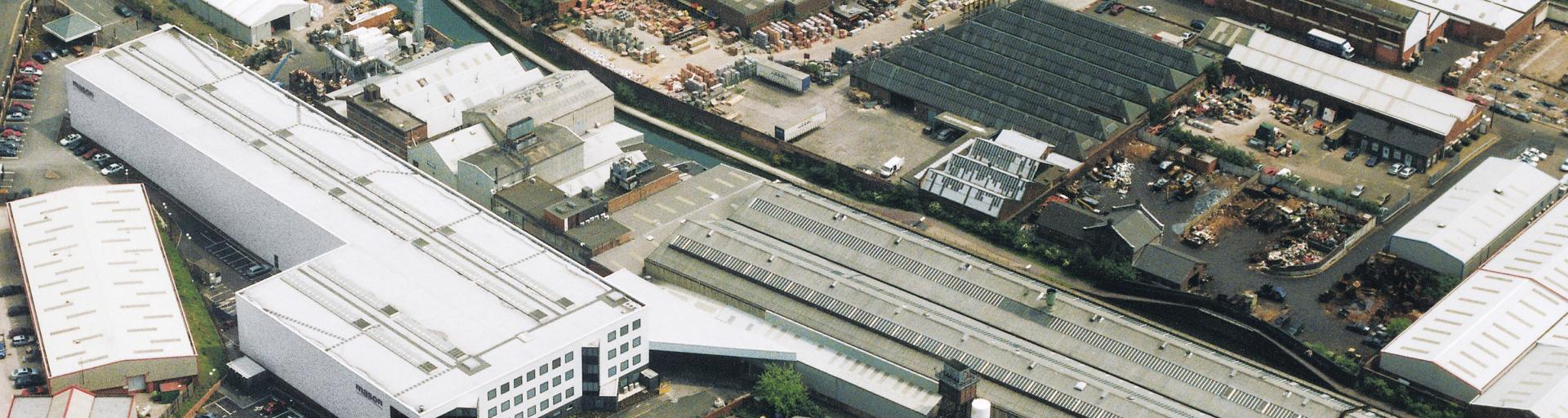
Wieland Metals Birmingham
Wieland Metals Birmingham (UK) is a production site for rolled products, using state-of-the-art casting and rolling equipment, and specialized in the supply of high-performance niche alloys and small batches.
- Supply of high-performance niche alloys
- Small batches
Organization
Business hours
Monday - Friday
8:00 am - 4:30 pm
8:00 am - 4:30 pm
Goods acceptance times
Monday - Friday
8:00 am - 7:00 pm
8:00 am - 7:00 pm
Facts
1852
established in
EN ISO
Working to: EN ISO 9001:2015, EN ISO 14001:2015
1988
since a company of the Wieland Group
160
employees
Resources
Information material and important documents for download
7
result/s
Terms and conditions
General-Terms-and-Conditions-of-delivery.pdf
449.56 KiB
Quality
Tin-–-Conflict-free-declaration.pdf
11.69 KiB
Quality
Modern-Slavery-Act-Statement.pdf
134.66 KiB
Certificates
SGS-management-system-ISO-14001-2015.pdf
469.48 KiB
Certificates
ISO-9001-2015_Wieland-Birmingham_EN.pdf
1.63 MiB
Terms and conditions
General-Terms-and-Conditions-of-Purchase.pdf
48.67 KiB
Terms and conditions
UK-tax-strategy-statement.pdf
86.57 KiB
Wieland Metals Birmingham Ltd
Wharf Street, Aston
Birmingham
B6 5SA
+44 121 327 0181
+44 121 322 2105
info.birmingham@wieland.com
Managing Director
Dr. Maher Ababneh
Registered Office
16 Great Queen Street
Covent Garden
London
WC2B 5AH
Registered in England and Wales No: 139599
VAT
110 0054 59
Career
Start your career at Wieland Metals Birmingham
Unleash potential.

Already know your search term? Then go ahead and use our full text search. You will get a list of all relevant results.